
Introduction
This guide shows simple, proven ways to use SEO short URLs to boost organic ranking and clicks. You learn practical steps and errors to avoid. Then you get a hands-on roadmap to implement short links across your site and campaigns. Use these tactics and see clearer data, higher CTR, and better discoverability.
☰ Table of Contents
Why clean links matter
Clean links build trust. People prefer readable links. Search engines parse them faster. When your site uses SEO short URLs, users feel safe clicking. That signal improves click-through rates and search intent matches. Also, clean links avoid duplicate or messy parameters that confuse crawlers.
Short URLs and CTR
Short, relevant links get more clicks. A compact slug highlights topic and keyword. Google notices higher CTRs and can lift rankings. Use action words in the slug to increase clicks. Focus on clarity and intent. Good links turn impressions into visits.
Crawl efficiency & indexability
Short URLs reduce crawl waste. Crawlers process fewer characters and get to content faster. Clean paths help search bots map topics. This improves indexation speed and ensures your important pages appear more reliably in results.
Brand impact of short links
Use a branded short domain to improve recognition. Branded short links increase trust and recall. They help users remember your domain and return later. Consistent short links reinforce brand signals to users and search engines alike.
Mobile-first advantage
Mobile users scroll fast. Short URLs look clean on small screens. They reduce perceived risk. That increases mobile CTR and engagement — both important signals in modern ranking algorithms.
Tracking and analytics made easy
Short links let you tag campaigns cleanly and measure results. You can track source, campaign, and creative with clear slugs or UTM patterns. Clean tags reduce errors and make analytics reliable for decisions.
User experience benefits
A tidy URL improves perceived site quality. Users trust pages with readable slugs. They stay longer and explore more. That improves engagement metrics and supports ranking improvements over time.
Local SEO wins
Short URLs help local campaigns when you include cities and service keywords in the slug. Use simple local slugs to boost visibility for neighborhood searches and maps results.
Paid ads and short URLs
Short landing URLs increase ad quality and CTR. Use them in display and social ads to improve ad scores and reduce CPC. Clean links improve the landing experience for paid visitors too.
Best URL structure tips
Keep paths shallow. Use descriptive words. Avoid long IDs and query strings in public URLs. Provide canonical versions and use short slugs for key pages. These steps support both users and search bots.
Slug rules that work
Use hyphens for readability. Keep slugs under 4 words when possible. Include one target term or modifier. Avoid stop words and numbers unless meaningful. Test variations and keep the winners.
Branded short domains
Register a short brand domain for tracking and trust. Use it across social, email, and offline assets. Branded short domains raise professionalism and click confidence.
Redirect rules & SEO
Use 301 redirects for permanent moves. Use 302 temporarily for tests. Avoid redirect chains. Update canonical tags when changing URLs. These practices protect link equity and ranking value.
Security & user trust
Show clear landing previews and HTTPS. Avoid long hidden redirects. Use branded domains so users recognize the source. Security cues increase CTR and reduce bounce risk.
A/B testing short links
Test different slugs and CTAs across channels. Measure lift in CTR and conversions. Use small experiments to find high-impact tweaks and then roll the winners site-wide.
Common mistakes to avoid
Do not use random hashes as public URLs. Do not mix many parameters in visible links. Do not change top-performing URLs without redirecting. These errors cause ranking drops and data loss.
Implementation roadmap
Start by auditing current URLs. Prioritize high-traffic and high-conversion pages for short slugs. Implement redirects and monitor analytics. Roll out branded short domains for campaigns next.
Case snapshot
A content site replaced long article URLs with short slugs and branded short links. Their CTR rose 12% in four weeks and organic traffic grew steadily. The change improved sharing and lowered bounce rates.
How to measure success
Track CTR, organic impressions, engagement rate, and conversions. Compare cohorts before and after URL changes. Use analytics and search console to monitor indexation and keyword lifts.
Conclusion
Using SEO short URLs gives you clearer links, higher CTR, and cleaner analytics. Short URLs improve user trust and help search engines index content faster. Implement them carefully, test, and measure. Small URL fixes often deliver outsized ranking gains.
FAQs
Q1: Will changing URLs hurt my SEO?
It can unless you implement 301 redirects and update internal links. Reconcile changes in the sitemap and monitor search console.
Q2: How many words should a short URL have?
Aim for 2–4 descriptive words. Keep it readable and relevant to the page topic.
Q3: Should I use branded short domains?
Yes. They improve trust and memorability for social and email campaigns.
Q4: Do query strings hurt SEO?
Excessive query strings can cause duplicate content. Use canonical tags and clean public URLs instead.
Q5: How fast will I see results?
You may see CTR improvements quickly, but ranking changes usually take weeks as search engines re-evaluate signals.


Social platforms and shareability
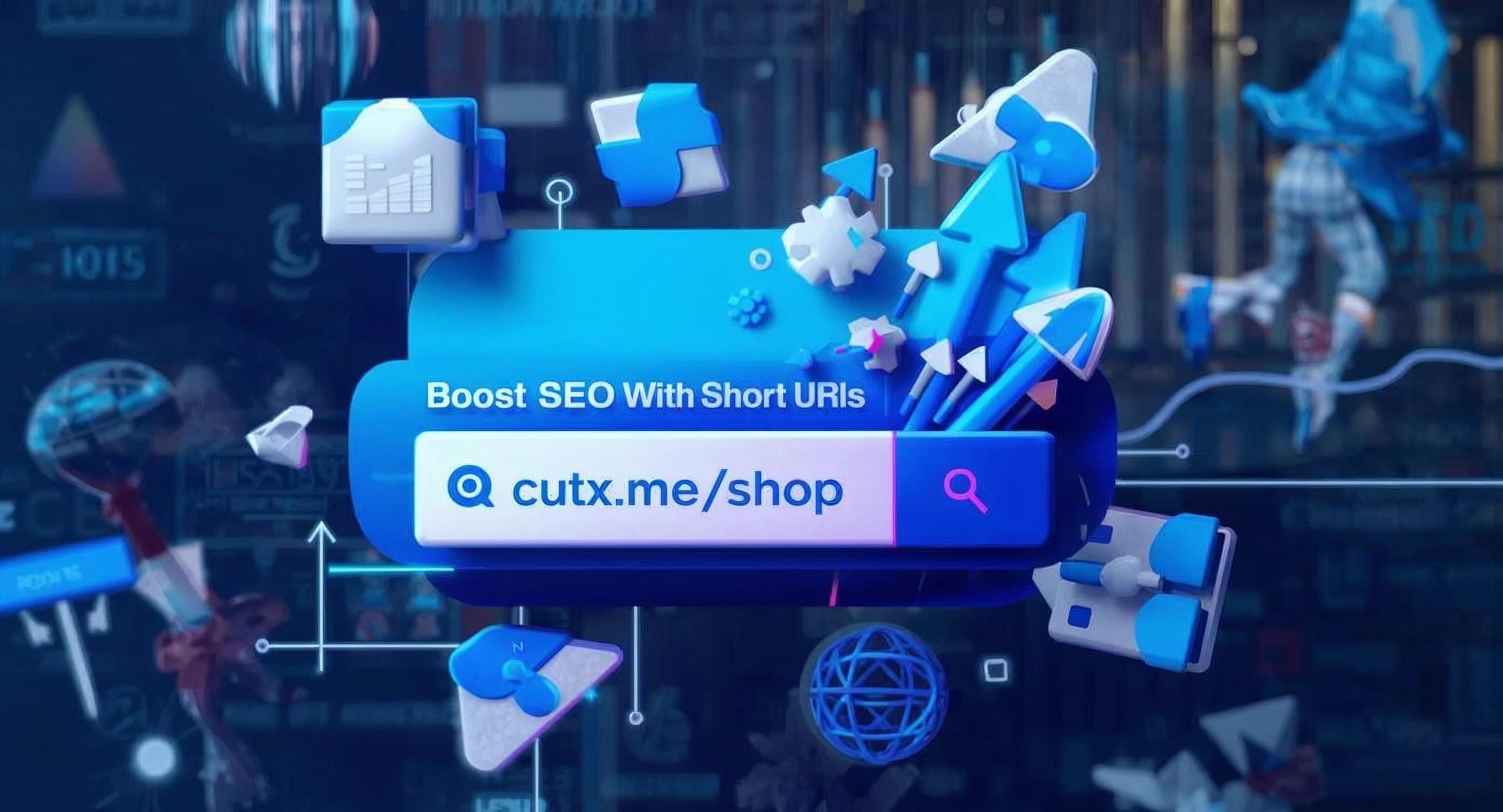
Short links look better in social posts and messages. They do not break in apps. They look trustworthy and get shared more. When your content goes viral, short links help preserve context and drive sustained referral traffic.